

Culture & Behaviour
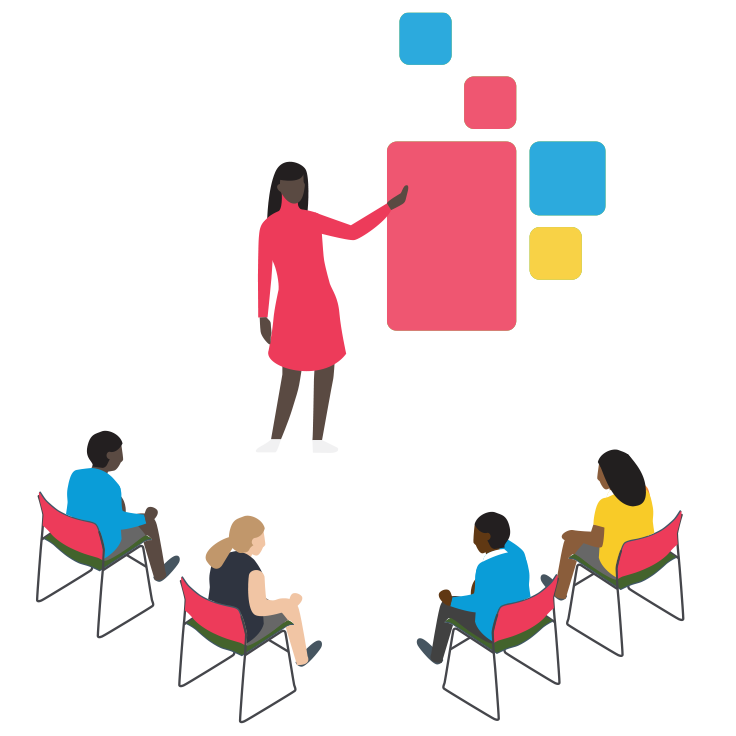
We will foster culture change across our teams through strong leadership, celebration of success, and open knowledge exchange.
By strengthening a forward-thinking culture, UN entities will build the environment necessary for cutting-edge skills to flourish. Let’s empower teams to become more dynamic and adaptable, to embrace innovation, collaboration, and continuous growth.
Do you have feedback or suggestions? Click here to let us know!
Tools to Kickstart Implementation
Explore the collection of tools and resources to get started with your UN 2.0 implementation journey.
Knowledge Communities
Join the six UN knowledge communities—Data, Digital, Innovation, Foresight, Behavioural Science, and Culture—to connect with over 18,000 colleagues and partners. Explore, learn, and share ideas through events, resources, and Q&A spaces—no prior knowledge needed. Bring your team along!
UN 2.0 Week & Awards
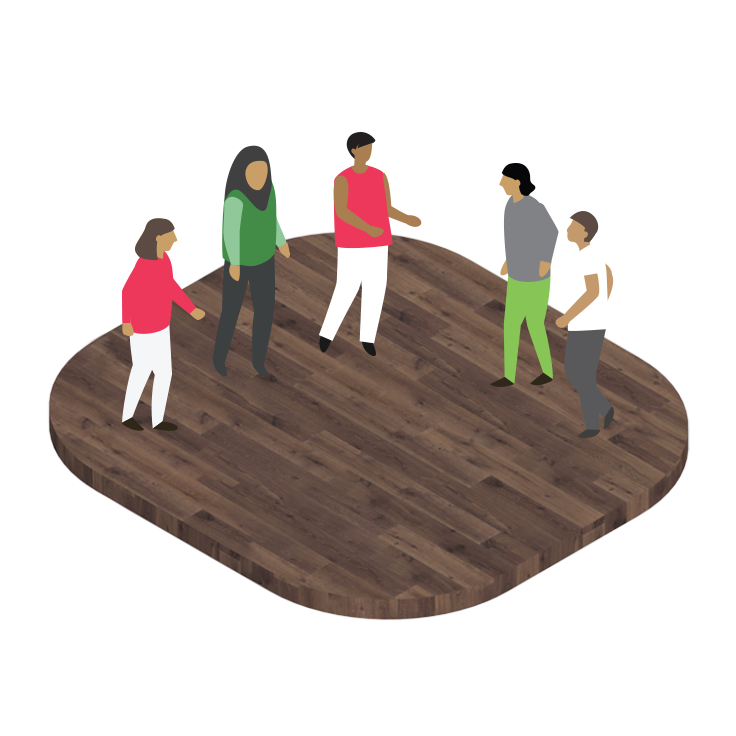
Did you know that hundreds of UN system teams are already pioneering digital, data, innovation, foresight, and behavioural science solutions? UN 2.0 Week celebrates these achievements through inspiring events and discussions. Explore last year’s sessions and stay tuned for details on the next edition in Q2 2025—including UN 2.0 Awards!

Briefings and Manager Inductions
UN 2.0 needs all of us—especially a strong commitment from our leaders. Let’s ensure we all understand and drive this change. For briefings or discussions at manager inductions, strategy retreats, or town halls, contact us at the Office of the Secretary-General.

4 Key Actions for the UN System in the area of Culture and Behaviour
In the area of Culture & Behaviour, the UN 2.0 Action Plan includes four essential actions all UN entities will take for fostering culture change.
Action 5
Action 6
Action 7
Action 8
Examples
ACTION 5:
Support leadership development
ACTION 5:
Support leadership development
ACTION 6:
Set leadership performance targets
ACTION 6:
Set leadership performance targets:
ACTION 7:
Foster knowledge networks
ACTION 7:
Foster knowledge networks
ACTION 8:
Introduce UN 2.0 awards
ACTION 8:
Introduce UN 2.0 awards
Where Do We Stand?
Progress of UN system modernization in the area of Culture and Behaviour in 2024

Glossary
- Leadership Induction Programmes: Training initiatives designed to prepare new leaders for their roles.
- UN 2.0 Modules: Educational components that cover UN 2.0 concepts such as data, digital tools, innovation, and culture change, tailored for leadership development and learning.
- Coaching Offers: Personalized guidance and support provided to leaders, focusing on enhancing their ability to drive culture change and understand technical concepts.
- Leadership Performance Targets: UN 2.0-specific goals set for leaders to drive progress on UN 2.0 initiatives, included in their performance evaluations and compacts.
- Compacts: Agreements between senior leaders and the organization, outlining expectations and performance targets for a given period.
- System-Wide UN 2.0 knowledge communities: Collaborative informal knowledge networks that are open to all UN colleagues across the UN system, focusing on specific areas like data, digital tools, innovation, and culture change.
- Entity-Level Exchange Platforms: Internal networks within individual UN entities that support collaboration and knowledge sharing, tailored to specific mandates
- UN 2.0 Awards: A recognition programme that celebrates successful initiatives across the UN system, promoting innovation and collaboration.
- UN 2.0 Week: An annual event designed to foster exchange, generate visibility and encourage collaboration across UN entities
Comments or Suggestions?
If you have feedback or additional resources to share, please feel free to reach out to us using the following options