UNWTO’s Online Academy: Transforming the tourism industry with accessible, innovative and sustainable e-learning, reaching professionals across 150+ countries.
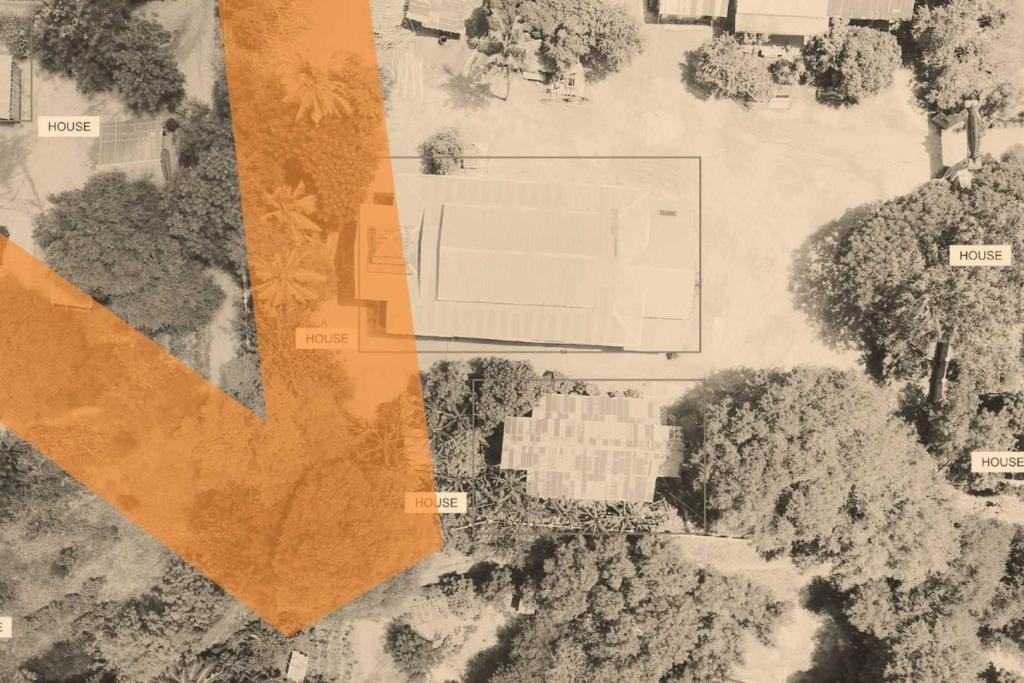
In collaboration with Google, WFP’s SKAI model leverages AI and satellites to quickly assess disaster impacts, streamlining humanitarian responses and significantly reducing costs and time.
Pode Falar uses AI to improve access to quality mental health content for children and young people. The “Odyssey” video game aids at-risk Guatemalan children, focusing on sexual risks, migration, and gender/sexual violence.
IFAD’s ICT4D strategy provides a framework to leverage ICT to increase development impact and improve the economic and social conditions of rural people.
With the aim of realizing the priorities of Innovation & digital transformation and Investment & entrepreneurship, WTO developed a Strategy on Innovation, Investment and Digital Transformation.
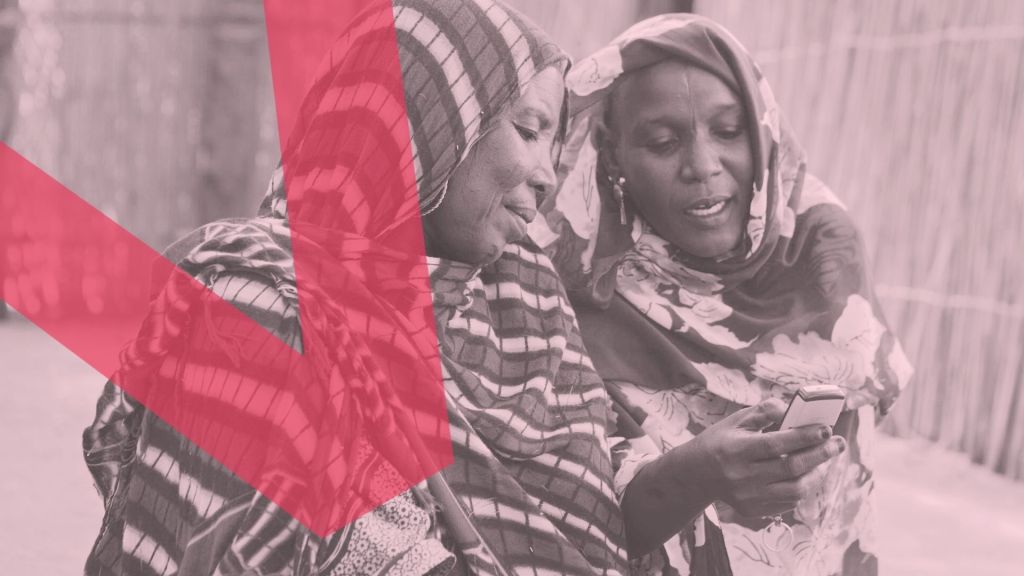
RapidPro, a mobile technology tool used in 117 countries, enables real-time data collection and mass communication through SMS and platforms like Facebook Messenger, Telegram, and WhatsApp. It supports health, education, and child protection initiatives, including UNICEF’s U-Report and Digital Health in 18 countries. In 2018, it reached 37 million children in Pakistan for immunization awareness, and in 2022, exchanged 1 billion messages. RapidPro also aids in coordinating aid programs and monitoring interventions, showcasing its extensive and impactful reach.
Leverage the best available science to track, monitor, and improve the health of freshwater ecosystems: High-resolution geospatial data platform depicting up-to-date changes to freshwater systems over time.
Igniting Rural Revolution with 1,000 Digital Villages
FAO sparks an inclusive, rural transformation through its 1,000 Digital Village Initiative, driving agri-food sustainability with targeted digital innovations.
UNDP’s PETRA Project embraces circular economy for resilient recovery in earthquake-impacted Indonesia, using sustainable waste management. Turning waste into opportunities for driving sustainable village development.
ECHO uses AI to elevate citizens’ voices, linking everyday language to SDGs discourse, fostering participatory planning, and raising SDGs awareness in real-time.
CariSECURE: Transforming Crime Prevention with Data
CariSECURE employs a public health strategy to combat crime, training public personnel to standardize and analyze security data. The project promotes evidence-based policy-making, targeting root causes of youth violence and crime.
A Partnerships for Scale Programme designed to find, match, and connect ready-to-scale digital solutions with the urgent needs of UNDP Country Offices and governments in 170 countries.
Tools to mainstream intergenerational equity through futures literacy and foresight – and help advance equitable, just and fair generational relations.
The State of Open Humanitarian Data 2023 report presents an overview of data availability for humanitarian efforts. By raising awareness of available data and identifying gaps, it aims to enhance humanitarian response.
ITU Academy is an online gateway to ITU’s capacity development activities. It offers a wide range of training activities and knowledge resources in information and communication technologies (ICTs) and digital development.
This multi-phase study evaluated Umoja learners’ preferences. This study culminated in an analysis of learning styles based on Felder and Soloman’s model. The end result of this study will allow CDOTS to make data-driven decisions for future training programmes based on learner preferences to fit their needs better.
UNICEF Office of Innovation aligns with partners to boldly explore and scale innovative solutions and technologies to deliver equitable impact and collectively set an accelerated pace of change for children today and tomorrow.
The Cybersecurity Programme offers tools to increase cybersecurity capabilities at the national level, build confidence and trust in the use of ICTs and promote security and resilience in the digital space.
UNESCORE’s strategic aim is the modernization of the organization’s core work processes and systems, among others enabling a unified, modern digital platform in line with the digital transformation framework.
Kenyan and Ugandan Start-ups are supported through the Transformative Urban Mobility Start-Up (TUMI) initiative for their affordable and accessible urban transport solutions offering more sustainable travel options.
We use cookies and other identifiers to help improve your online experience. By using our website, you agree to this. To learn more, including how to change our settings, see our cookie policy.