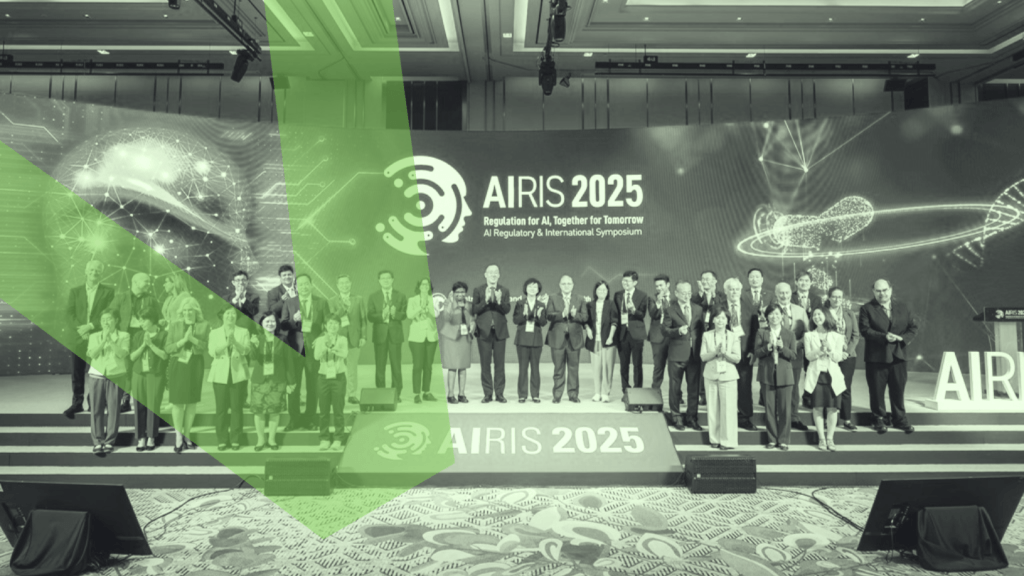
AIRIS is a global initiative led by the World Health Organization (WHO) and co-hosted by the Ministry of Food and Drug Safety of the Republic of Korea, with support from international regulatory bodies and academic partners. The symposium brings together regulators, policymakers, industry leaders, researchers, and technical experts from more than 50 countries, creating a collaborative platform for shaping AI governance in health. AIRIS was established to address the urgent need for harmonised regulatory frameworks for artificial intelligence in health.
The Global Initiative on Digital Health (GIDH) is a WHO‑managed network launched on 20 February 2024, aimed at accelerating the implementation of the Global Strategy on Digital Health 2020–2025. It aligns country-level efforts, provides tools and resources, fosters collaboration, and supports knowledge sharing to advance sustainable digital health transformation globally.
DISHA: Unlocking data and AI solutions for social impact
Data Insights for Social & Humanitarian Action, also known as Disha, is a multi-partner initiative that aims to accelerate ethical and responsible access to data and artificial intelligence (AI) solutions to unlock social impact at scale.
Primero – Protecting Vulnerable Children from Violence
Primero is an open-source platform used by social workers, child protection and gender-based violence professionals to manage case and incident data. It is a certified digital public good in use in more than 50 countries and helps improve service delivery and referrals while ensuring that sensitive data is protected. This article focuses on the East Asia Pacific region, where Primero is being used by frontline workers at scale to connect children with vital services.
Smart Facilities: integrate technological innovations and renewable energy into infrastructure
The Smart Facilities initiative supports UNDP offices, UN partners and governments to build sustainable, cost-effective, and digitally enabled facilities across the world. By connecting green energy, digital technologies and data, it helps advance global development and climate goals.
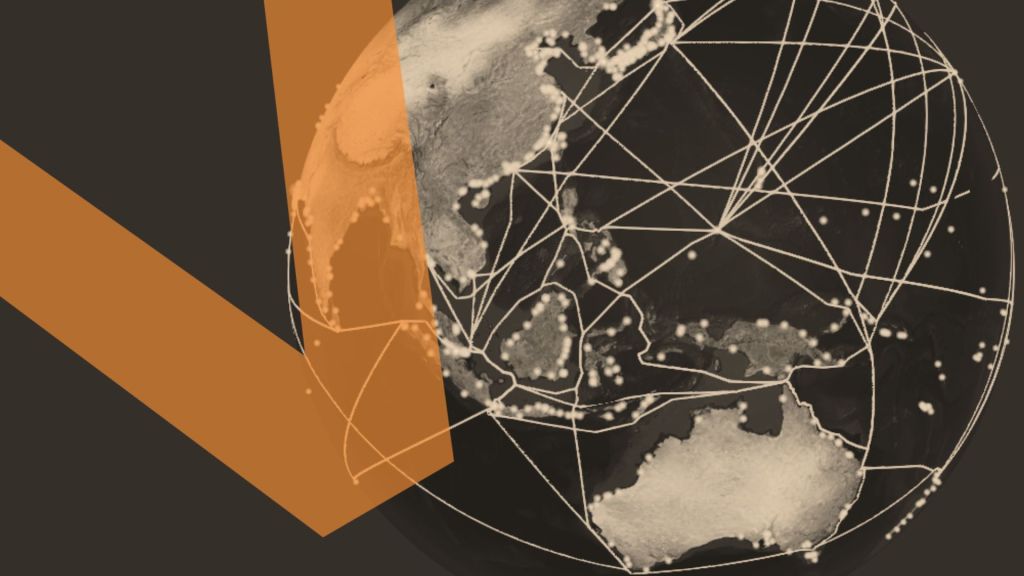
PortWatch (https://portwatch.imf.org/) is an open platform designed to monitor and simulate disruptions to maritime trade flows. The platform helps policymakers and the public assess the impact of realized and future trade shocks, such as natural disasters, based on real-time data sourced from the UN Global Platform (UNGP).
What’s In The Box? A Novel Solution For Emergency Connectivity
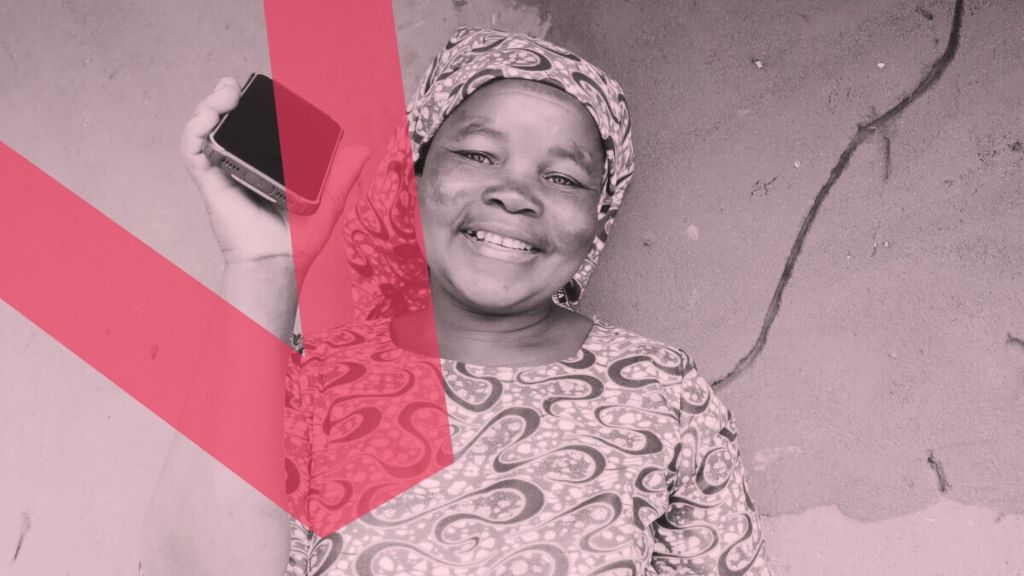
The humanitarian crisis in Nigeria continues to be one of the most severe and complex globally. The CrisisNet kit offers a world of communication to humanitarians to power their response — all in just one box.
The Information and Technology Strategy 2023-2026 maps WFP’s vision for the future of technology, evidence, and innovation. The actions stemming from this strategy will improve WFP’s performance, driving the efficiency and effectiveness gains that country offices need to sustainably save and change lives.
Gender Data Lab for Increased Gender Data Availability
The Gender Data Lab (GDL) initiative aims to establish a dedicated team within existing government structures, such as National Statistical Offices, to accelerate gender data availability and promote evidence-based policymaking.
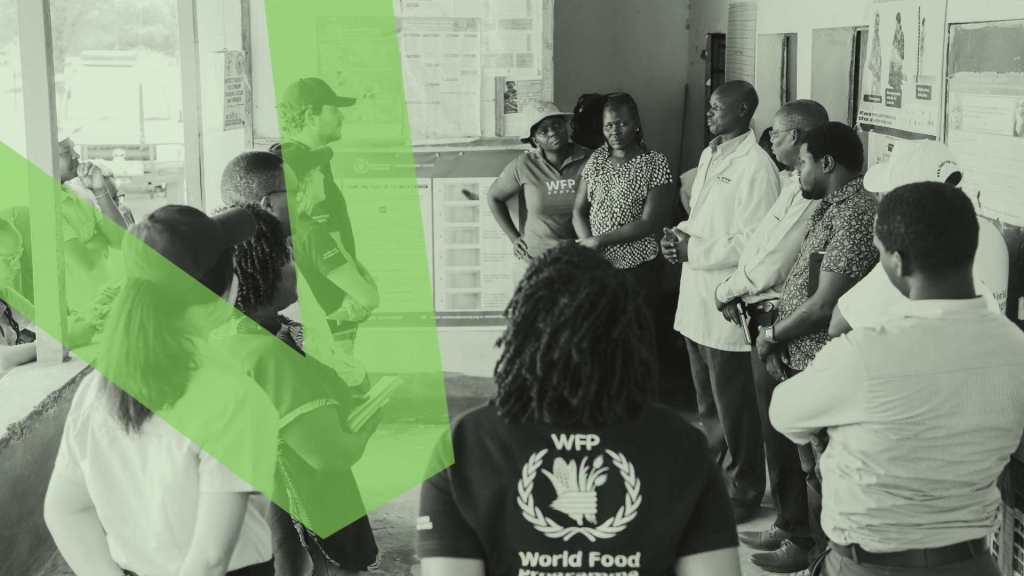
WFP has invested in MEZA – which translates to ‘table’ in Swahili – an artificial intelligence (AI) solution that uses Optical Character Recognition (OCR) technology to decode handwritten medical data into machine-readable information. The solution also assists in consolidating this data into the national government’s health database to support accurate and timely reporting on health treatment for effective management of acute malnutrition. MEZA is designed to specifically support remote health centres that have limited access to electricity and internet, preventing them from using the Electronic Medical Records (EMR) system currently being deployed in the country.
WFP’s EMPACT (EMPowerment in ACTion) programme is a digital livelihoods programme delivering a blended curriculum that combines technical and soft skills training curriculum through a learn-and-earn model that also connects trainees to digital work opportunities. EMPACT was launched at the Kibera Town Center in 2021 following the socio-economic impacts caused by the COVID-19 pandemic. To date, more than 1,000 youth have been trained under the programme with 41 percent earning money from online work.
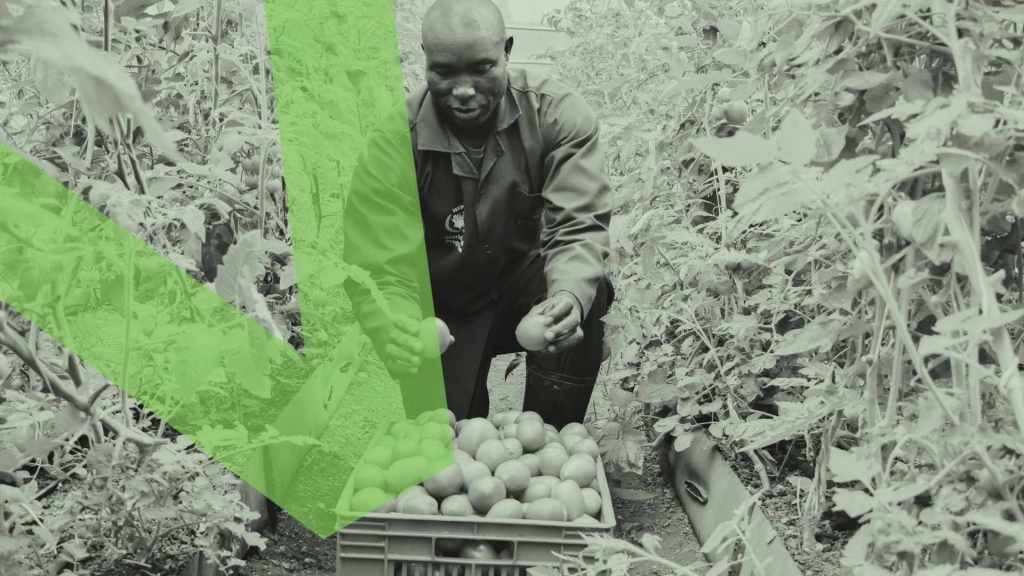
H2Grow is WFP’s hydroponics initiative that brings locally adapted and affordable hydroponic solutions to vulnerable communities. WFP is leveraging on learnings to provide technical support to local farmers implementing hydroponics. The Innovation Unit is exploring blended finance models that will contribute to reducing the cost of hydroponics to facilitate scale and broad adoption of the solution. The Unit is also supporting a global Community of Practice around hydroponics through the H2Grow Platform, and the roll-out of hydroponics training for farmers through the Hydro App.
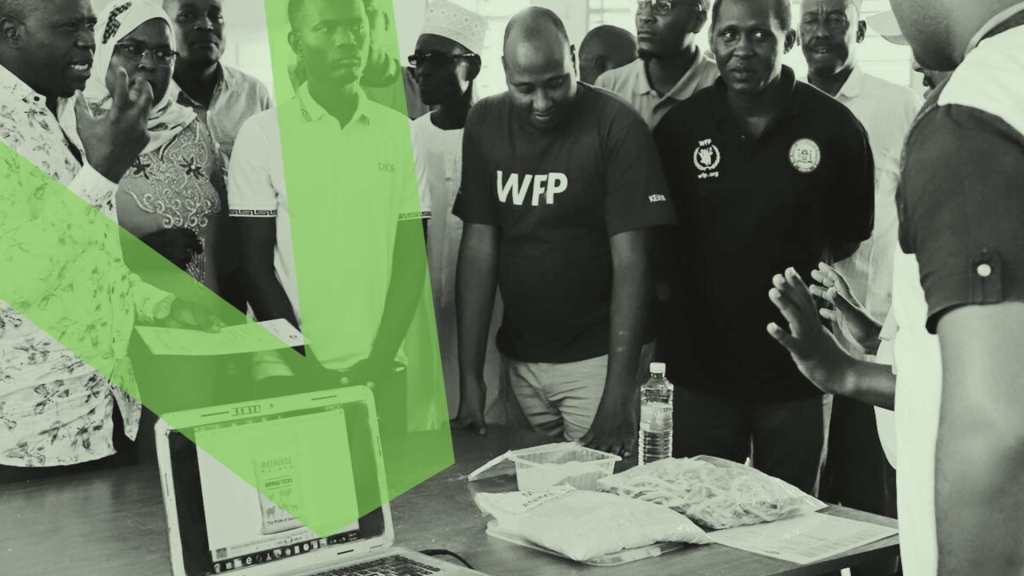
The Innovation Unit is decentralizing WFP’s efforts to impact food security and foster innovation ecosystems at county level. This will leverage the successful partnership between the Government and WFP to support the design, set up and running of County-level Innovation Centres (CICs). The overall goal of the CICs is to support the development of highly scalable, field tested, innovative solutions that support strengthening of resilience for vulnerable populations in the Arid and Semi-Arid lands. These innovation centers are designed to be safe spaces for county government staff, beneficiaries, and innovators to access training on innovation methodologies to develop solutions to problems faced in the counties and beyond. The centers will also provide deep field access where innovative solutions are tested rapidly with the target beneficiaries for richer learnings. Additionally, the centres will provide access to funding opportunities for innovative ideas, entrepreneurs, and startups.
Equity 2030 Alliance: Normalizing Gender Equity in Science & Technology
The Equity 2030 Alliance aims to build an equitable future for all by closing gaps in gender inclusive solutions in science, technology, and financing. The Alliance leverages the collective power of positive disruptors to close the gender equity gap in science and technology design. The Alliance seeks to accelerate actions to normalize gender equity in science and technology by introducing data-driven arguments and strategies. We believe our actions will lead towards an inclusive, sustainable, and gender equitable future where women’s voices are heard, their needs are met, and their potential is fulfilled.
The Data to Policy Network, a collaborative effort between UNDP and UNOSSC, connects a global community of policymakers and fosters knowledge sharing on how to harness emerging data sources for evidence-based policymaking.
To support the UN 2.0 vision, “Scaling the Summit: A primer on how to scale innovations for impact for the UN System” by UN Global Pulse guides conversations around priming innovations for scale to unlock their full potential in addressing global needs.
Snapshot: The Potential of Digital Public Infrastructure
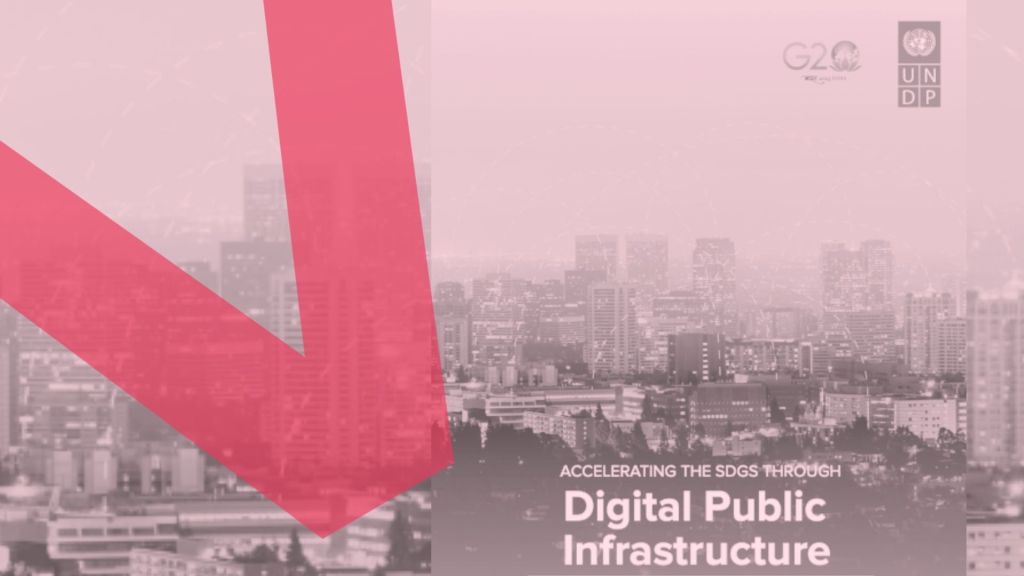
This compendium presents a snapshot of digital solutions in action around the world that can help move the needle and achieve the Sustainable Development Goals (SDGs). Mapped across all 17 SDGs, the solutions presented in the compendium are a mix of DPI and other solutions with the potential to become DPI. They all share common characteristics of interoperability, open standards, societal scale, and enabling rules and regulations.
The Digital Public Infrastructure Approach: A Playbook
For countries in the early stage of their Digital Public Infrastructure (DPI) adoption journey, or for those that might be just beginning to embrace this novel concept: where should they start? Beyond the definitions and principles, what are some practical steps they need to consider? This DPI playbook is designed as a practical and public resource that low and middle-income countries (LMICs) in particular can utilize in building an inclusive and rights-based DPI.
Her City provides municipalities, urban actors and local decision-makers with a solid toolbox for mainstreaming youth, gender and socioeconomic perspectives by strategically involving girls and young women in urban planning and design.
A comprehensive, user-friendly browser offering access to UNESCO’s diverse data repositories on education, science, culture, and communication, with custom export options.
The Secretary-General’s Guidance urges all colleagues to explore and apply behavioural science in programmatic and administrative areas and collaborate to realise its tremendous potential for impact towards the SDGs.
The Groundwater Mapping Project Using Satellite Data acts in some of the most water-challenged areas in the world to increase the drilling success rate for groundwater by mapping deep aquifers with satellites and other scientific methods.
We use cookies and other identifiers to help improve your online experience. By using our website, you agree to this. To learn more, including how to change our settings, see our cookie policy.